The Hudson Valley is one of the most desirable real estate markets in New York State. And with that demand comes pressure - bidding wars, quick closing timelines, and buyers who feel like they can’t afford to slow down.
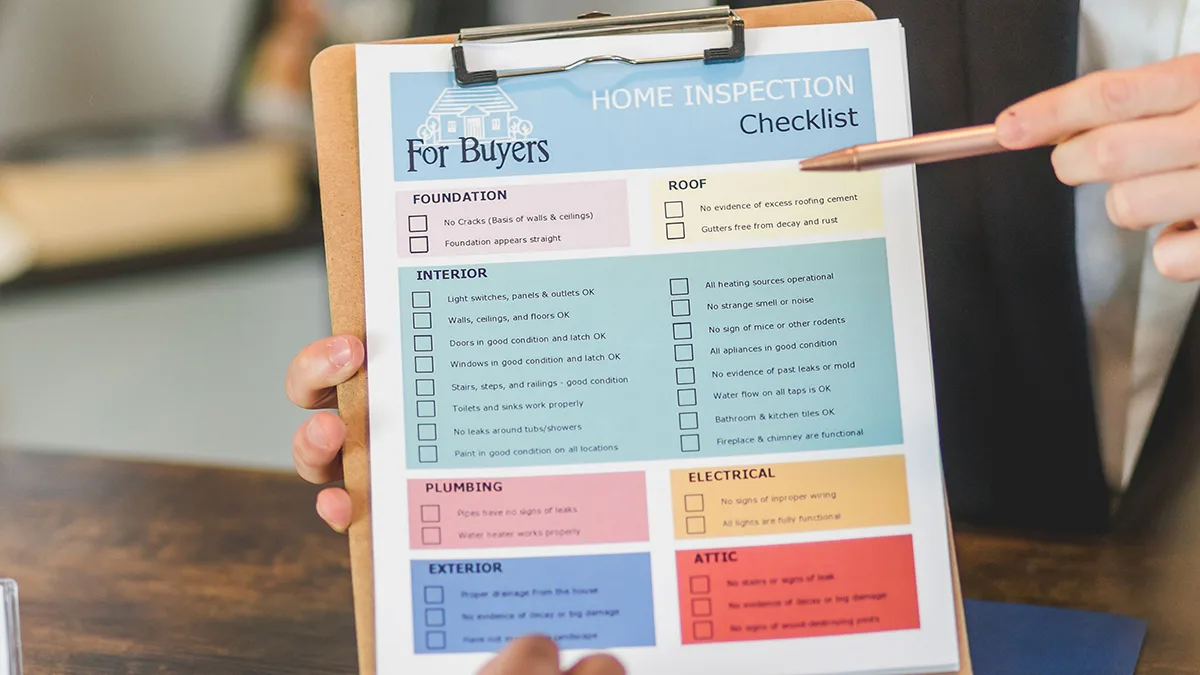
Don’t skip the inspection. Here’s what makes Hudson Valley homes different, and what first-time buyers need to know before closing.
1. Many Homes Have Private Wells and Septic Systems
If you’re coming from a city or suburb, you may not be used to thinking about water supply and waste management. In Orange, Ulster, Sullivan, and Dutchess Counties, a large portion of residential properties use private wells and private septic systems instead of municipal infrastructure.
This matters because:
- Well water quality isn’t regulated or tested by a utility - it’s your responsibility after closing. Water testing for bacteria and contaminants is essential before you buy.
- Septic systems can cost $15,000–$40,000 to replace. A septic inspection before closing tells you whether the system is functioning correctly or approaching failure.
Neither of these is covered in a standard home inspection. Budget for them separately - they’re not optional in this region.
2. Older Construction Is the Norm
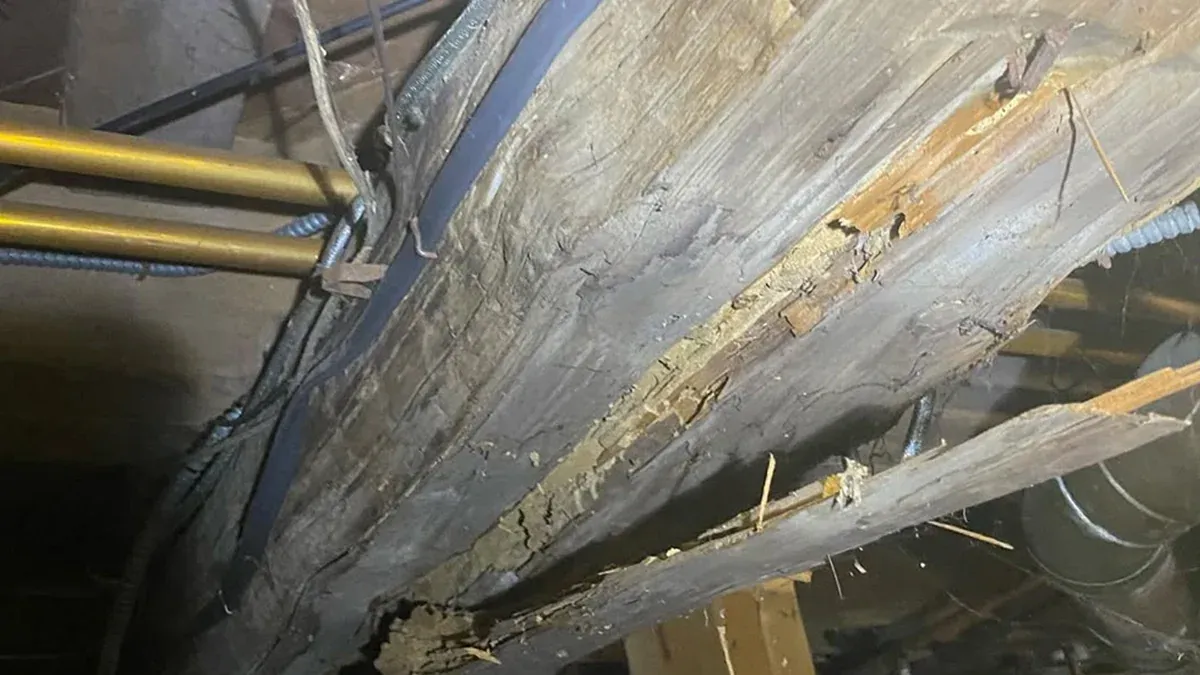
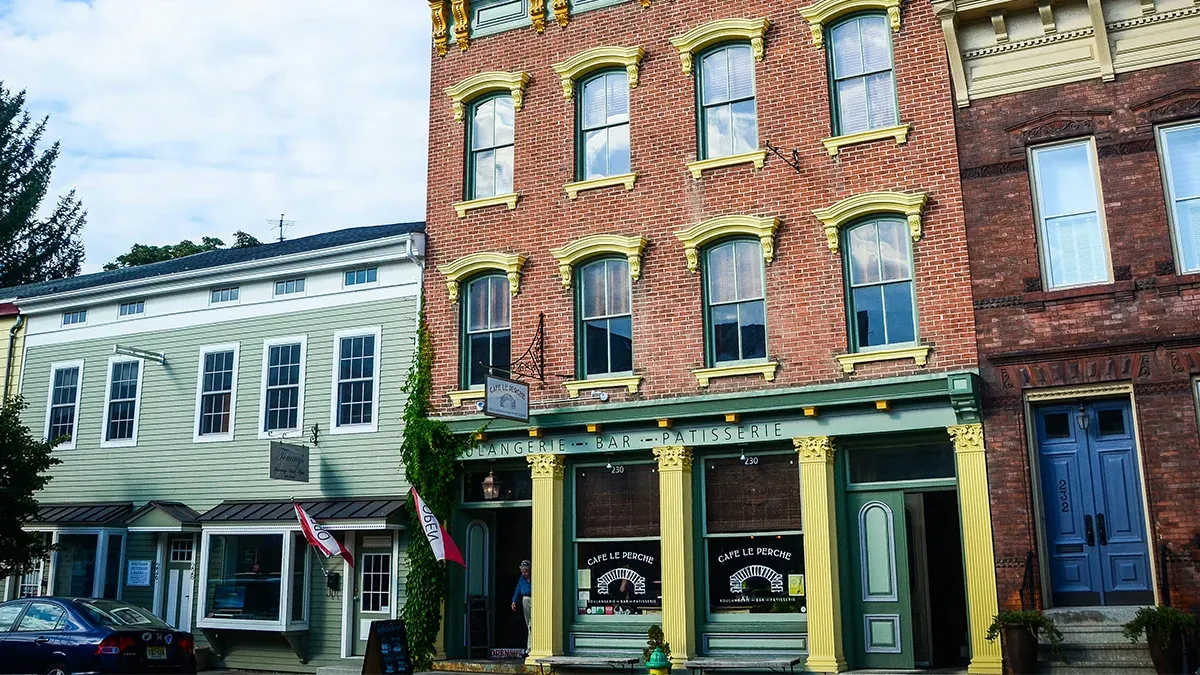
The Hudson Valley has been settled for over 300 years. Many of the homes you’ll look at were built in the 1890s through the 1960s - long before modern building codes, electrical standards, or energy efficiency requirements existed.
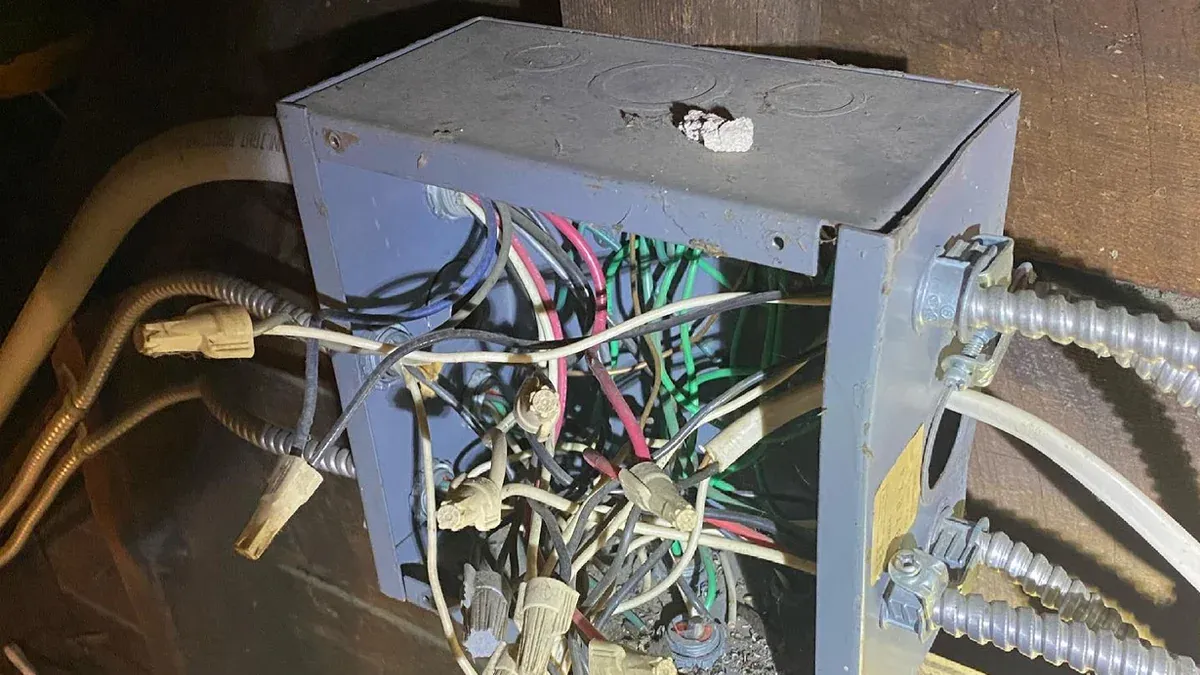
This isn’t necessarily a problem, but it means your inspector needs to know what they’re looking at. Fieldstone foundations, knob-and-tube wiring, old-growth timber framing, galvanized plumbing, and oil-fired boilers are all common. An experienced local inspector can distinguish between features that require immediate attention and those that have been working reliably for decades.
3. Radon Is a Real Concern in This Region
New York State has elevated radon levels in many counties, and the Hudson Valley is no exception. Radon is a naturally occurring radioactive gas that rises from soil and rock - it’s odorless, colorless, and a leading cause of lung cancer in non-smokers.
The EPA recommends testing any home before purchase. Radon levels above 4 pCi/L require mitigation, which typically costs $800–$2,500. Testing costs around $245 and takes 48 hours. It’s an easy add-on to a standard home inspection.
4. Basements and Moisture Go Hand in Hand
The Hudson Valley gets around 48 inches of rainfall per year. Combined with clay-heavy soils and a lot of older homes with fieldstone foundations, basement moisture is extremely common.
During an inspection, your inspector will look for:
- Active water entry - staining on foundation walls, efflorescence, sump pump operation
- Past water damage - stained floor joists, mold, damaged drywall
- Drainage issues - grading around the foundation, downspout discharge location
Don’t buy a home with water issues without understanding the source and the fix. Some are simple (regrading, extending downspouts), and some are expensive (interior drainage systems, exterior waterproofing).
5. Oil Tanks Need Attention
A large portion of Hudson Valley homes heat with oil, and many have above-ground or underground oil storage tanks. Older tanks can corrode and leak, contaminating soil and creating significant liability.
A standard home inspection examines above-ground tanks. Underground tanks require a specialist. If the listing mentions an oil-heated home, ask the seller directly: has there ever been an underground tank, and has it been decommissioned?
An old, unremediated underground oil leak can cost more to clean up than the house is worth.
6. The Inspection Contingency Is Your Protection - Don’t Waive It
In a competitive market, some buyers waive inspection contingencies to make their offers more attractive. This is a serious risk.
The inspection contingency gives you the right to negotiate or walk away based on the findings. Without it, you’re buying the home in whatever condition it turns out to be in. A foundation crack that costs $25,000 to repair, an HVAC system at end of life, or a failing septic system - you inherit all of it with no recourse.
There are ways to write a competitive offer while keeping a reasonable inspection contingency. Talk to your real estate agent about limiting the contingency to major defects rather than waiving it entirely.
7. Same-Day Reports Change Everything
In the Hudson Valley market, deals move fast. Waiting 3–5 days for an inspection report can cost you leverage - or the house entirely.
At Mount Joy Home Inspection, reports are delivered the same day as the inspection, digitally. You have everything you need to make a decision before the next business day.
Buying in Hudson Valley? Here’s What to Budget
Beyond the purchase price, first-time buyers in this region should budget for:
| Inspection | Typical Cost |
|---|---|
| Home Inspection | $395–$525 |
| Radon Testing | $245 |
| Water Testing | $100 |
| Septic Inspection | $425 |
Bundled together, a complete inspection package runs around $1,000–$1,300. That’s a small fraction of the cost of discovering problems after closing.
Ready to schedule? Jason French is available throughout Orange, Ulster, Dutchess, Sullivan, and Rockland Counties, as well as Eastern Pennsylvania. Most appointments are confirmed within 2 hours.