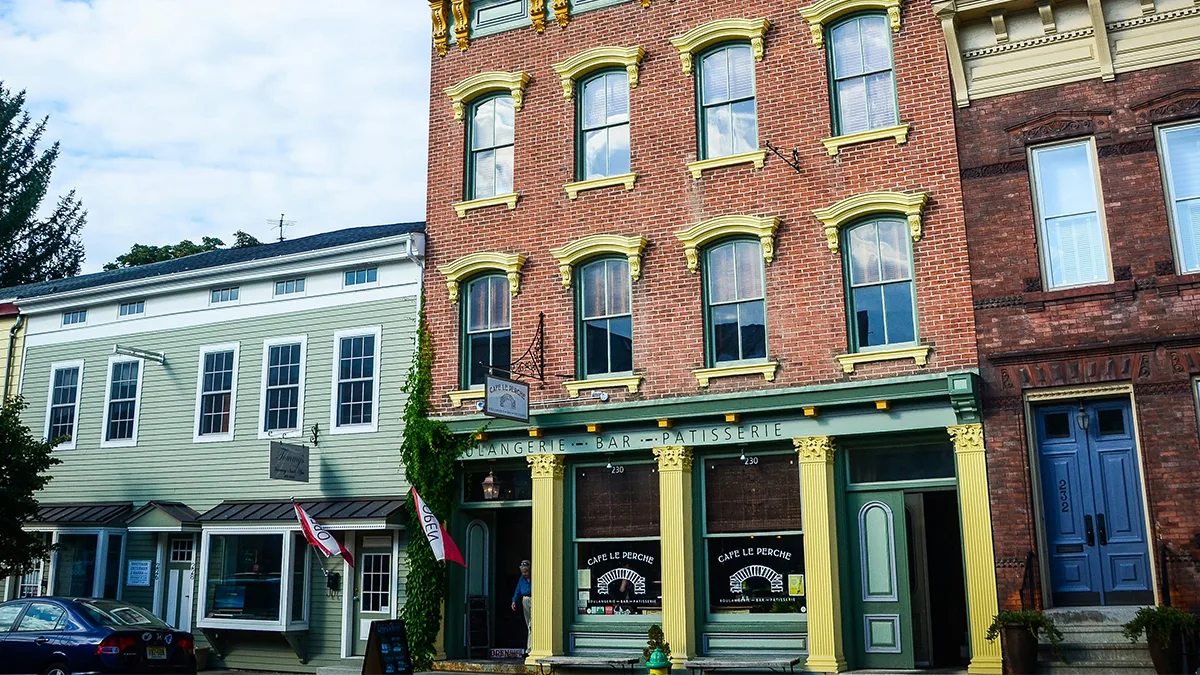
Buying a home in the Hudson Valley is different from buying in a suburb. Properties here often have older construction, private wells and septic systems, oil-fired heating, and fieldstone foundations. A standard inspection covers the basics - but a good inspector knows what’s specific to this region.
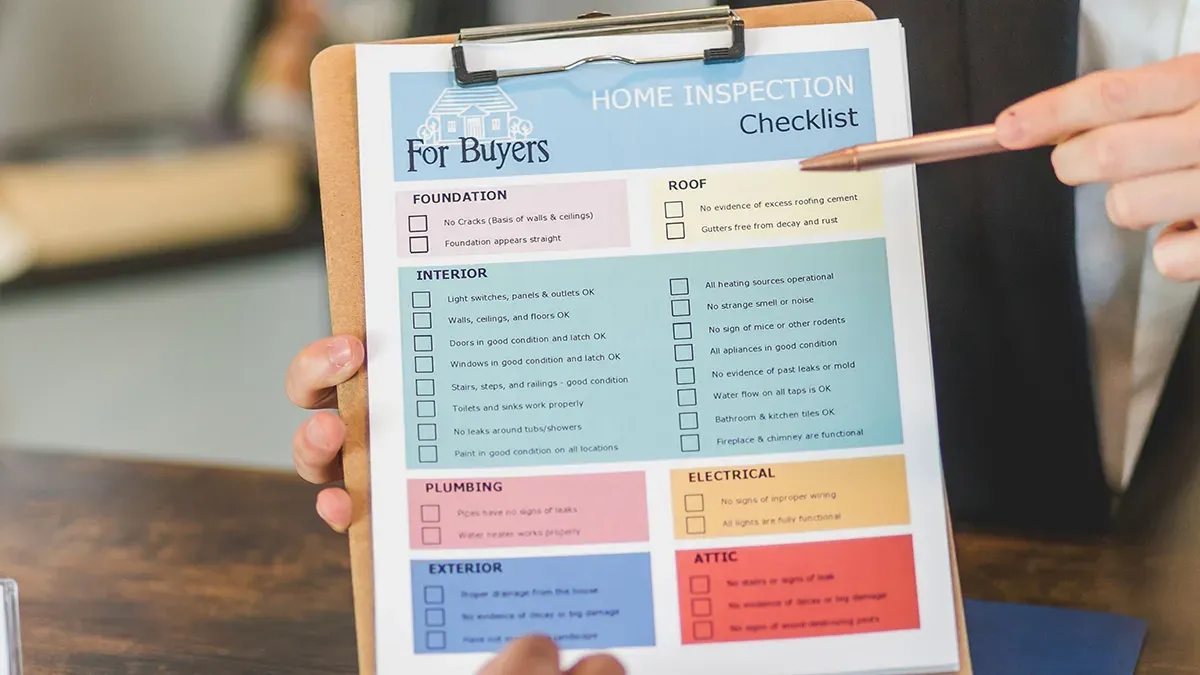
Here’s a full checklist of what’s covered in a Mount Joy home inspection, with notes on what’s particularly common in New York’s Hudson Valley.
Exterior
Roof
- Shingle condition, granule loss, curling, or missing sections
- Flashing around chimneys, skylights, and roof penetrations
- Gutters and downspouts - are they intact and directing water away from the foundation?
Hudson Valley note: Older homes here often have slate or aging asphalt roofs that need close attention. Ice dam damage is common after harsh winters.
Foundation
- Visible cracks in the foundation walls (hairline vs. structural)
- Evidence of water intrusion in basement or crawl space
- Efflorescence (white mineral deposits - a sign of past water intrusion)
Hudson Valley note: Fieldstone foundations are common in pre-1950 homes throughout Orange and Ulster counties. They require a different evaluation approach than poured concrete.
Grading and Drainage
- Ground should slope away from the house at least 6 inches over 10 feet
- Window wells, drains, and sump pump discharge
Structural
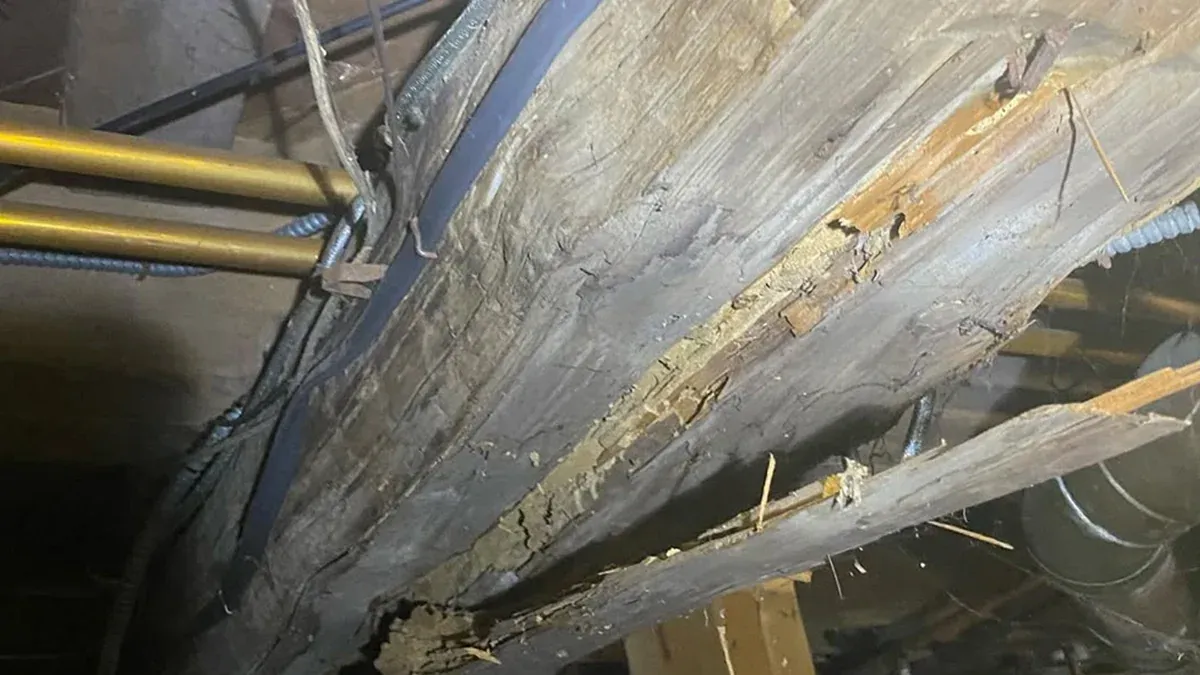
- Visible framing in attic, basement, and crawl space
- Signs of sagging, settling, or modification without proper support
- Floor levelness (some settling is expected in older homes)
Electrical
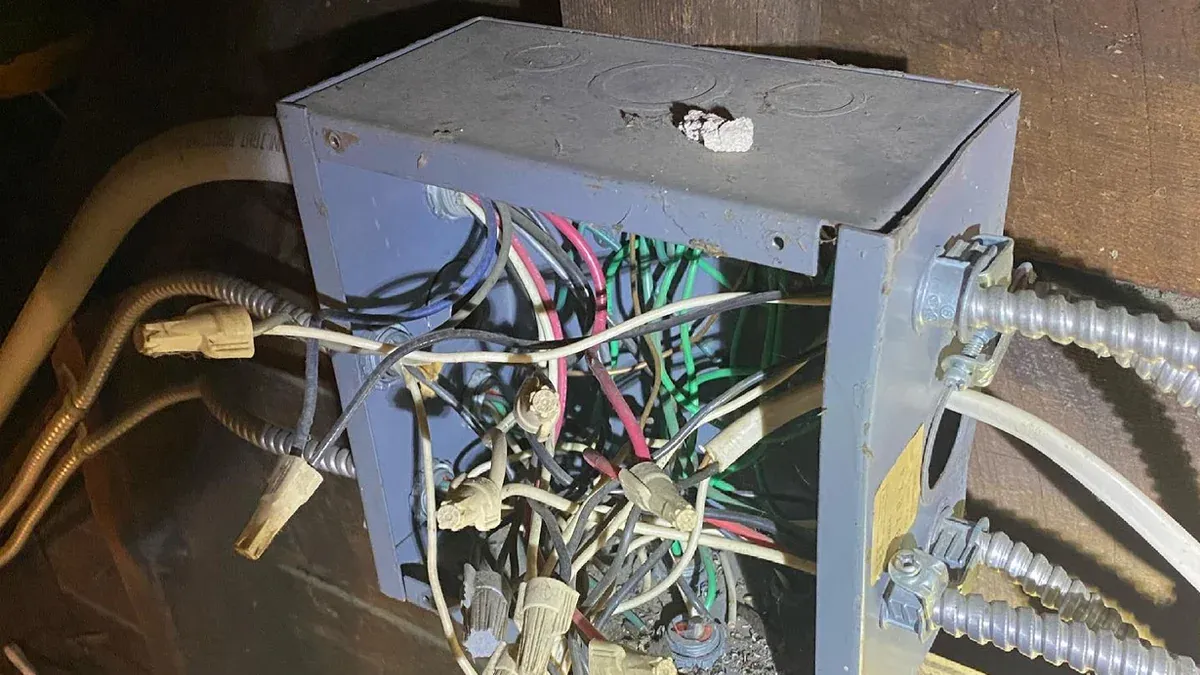
- Main panel condition, breaker sizing, and labeling
- GFCI protection in kitchens, bathrooms, garages, and outdoors
- AFCI protection in bedrooms (required in homes built or renovated after 2002)
- Two-prong vs. three-prong outlets (ungrounded wiring)
Hudson Valley note: Knob-and-tube wiring is still present in many older Hudson Valley homes. It’s not automatically unsafe, but it needs careful evaluation and may affect insurance eligibility.
Plumbing
- Supply lines (material matters: copper, galvanized, PVC, or PEX)
- Drain lines (look for slow drains, unusual pipe materials, or improper venting)
- Water heater age, condition, and proper installation
- Water pressure and temperature
Hudson Valley note: Galvanized steel pipes from the 1950s–1970s are common and often corroded internally. Reduced water pressure is the giveaway.
HVAC
- Heating system (forced air, baseboard, boiler/radiator)
- Cooling system if present
- Ductwork condition and routing
- Filters, heat exchangers, and visible components
Hudson Valley note: Oil-fired boilers with cast iron radiators are standard in older homes here. Jason knows how to evaluate them - and what deferred maintenance looks like.
Interior
- Ceilings, walls, and floors for signs of water intrusion or structural movement
- Windows and doors - operation, weatherstripping, and condition
- Smoke and CO detectors (required by NY law)
- Bathroom ventilation
Attic
- Insulation levels and condition
- Ventilation (proper intake and exhaust)
- Signs of moisture, ice damming, or pest activity
- Visible roof sheathing condition
What the Checklist Doesn’t Cover
A home inspection is visual and non-invasive. It does not include:
- Moving furniture or cutting into walls
- Inspecting inside sewer lines (camera scope is a separate service)
- Radon testing (separate add-on - highly recommended in this region)
- Well and water quality testing (separate add-on - required by many lenders)
- Septic inspection (separate add-on - critical for rural properties)
All of these can be bundled with a standard home inspection for significant savings.
The Bottom Line
A thorough inspection in Hudson Valley takes 2.5–3+ hours. Be present, ask questions, and don’t let anyone rush the inspector.
If you’re buying in Orange, Ulster, Dutchess, Rockland, Sullivan, or Putnam County - or across the border in Eastern Pennsylvania - get in touch. Same-day reports, personal service, no subcontractors.