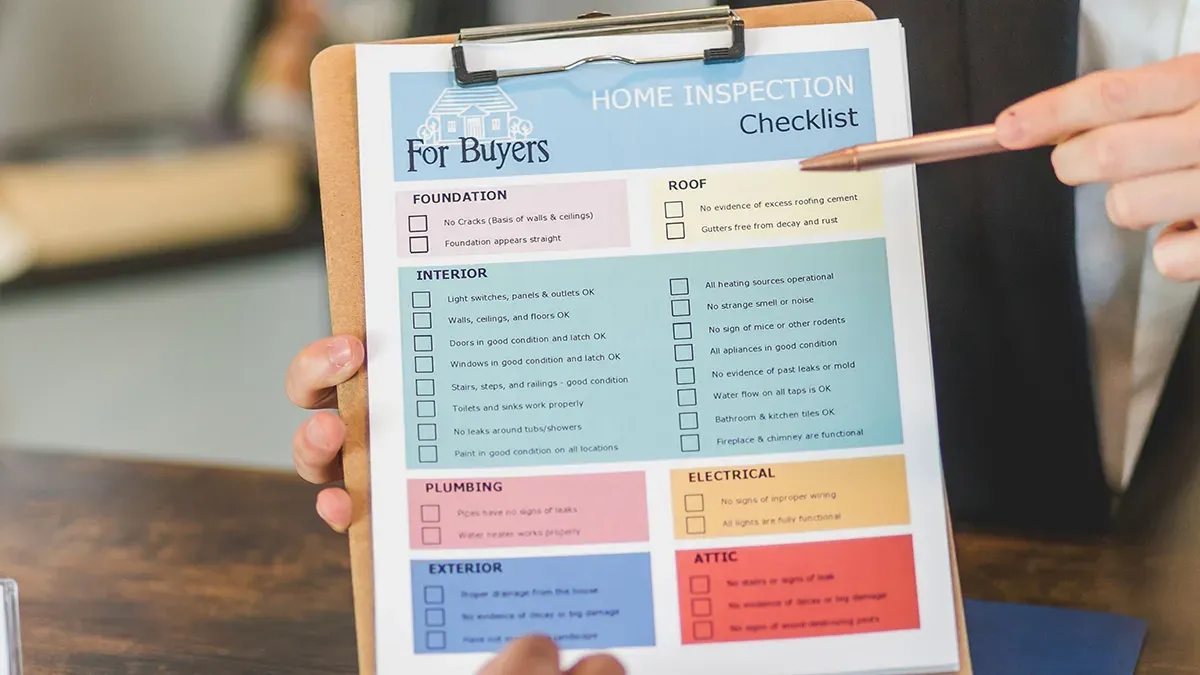
You’re about to make the largest purchase of your life. Before you sign, a licensed home inspector will spend 2.5 to 4 hours going through the property from top to bottom. But what exactly are they looking at?
Here’s a complete, room-by-room breakdown of what a home inspector examines - and why each item matters.
The Roof
The roof is often the most expensive single repair on a home, so it gets careful attention.
Inspectors check the roofing material (asphalt shingles, metal, tile) for age, missing or curling shingles, and granule loss. They assess the flashing around chimneys, skylights, and roof valleys - deteriorated flashing is a leading cause of water infiltration. Gutters and downspouts are evaluated for proper drainage and secure attachment.
In the Hudson Valley, ice dam damage is common. An inspector who knows the region will flag inadequate attic insulation as a root cause, not just treat the symptoms.
Attic and Insulation
Once on the roof, a good inspector makes their way into the attic. The attic reveals a lot about a home’s health.
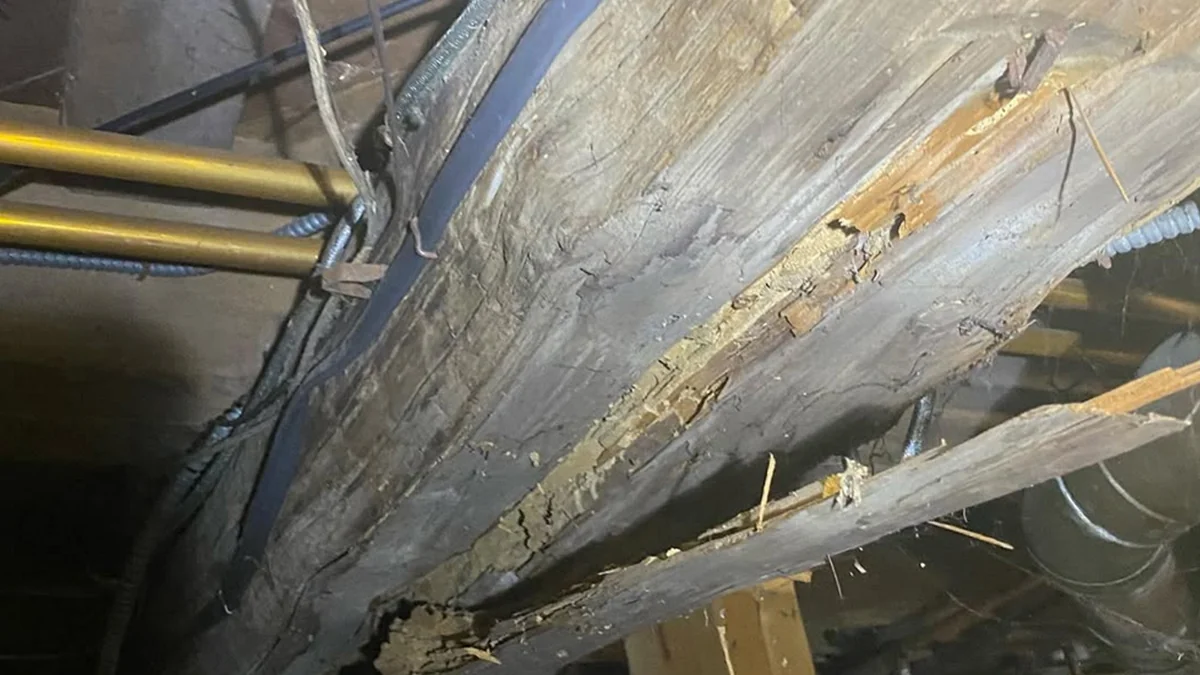
Insulation depth and type affect your heating and cooling costs. Ventilation is critical - inadequate airflow causes moisture buildup that leads to mold and wood rot. Inspectors also check for evidence of animal intrusion, active leaks staining the decking, and improperly terminated exhaust fans venting into the attic instead of outside.
Exterior
The exterior inspection covers the building envelope - everything that keeps weather out.
Siding is inspected for rot, damage, and gaps. Windows and doors are checked for proper sealing, operation, and any evidence of water intrusion around frames. The grading (slope of the ground around the foundation) is critical - soil that slopes toward the house directs water into the basement. Driveways, walkways, and steps are noted for trip hazards and drainage issues.
Foundation and Basement
Foundation problems can cost tens of thousands of dollars to repair and are a deal-breaker for many buyers.
Inspectors look for cracks in foundation walls (distinguishing between common cosmetic cracks and structural concerns), evidence of water entry (efflorescence, staining, active moisture), and signs of settlement or heaving. In older Hudson Valley homes, field stone foundations are common - they require a different assessment than poured concrete.
In the basement, inspectors examine structural beams and columns, the floor drainage system, and the overall moisture condition.
Electrical System
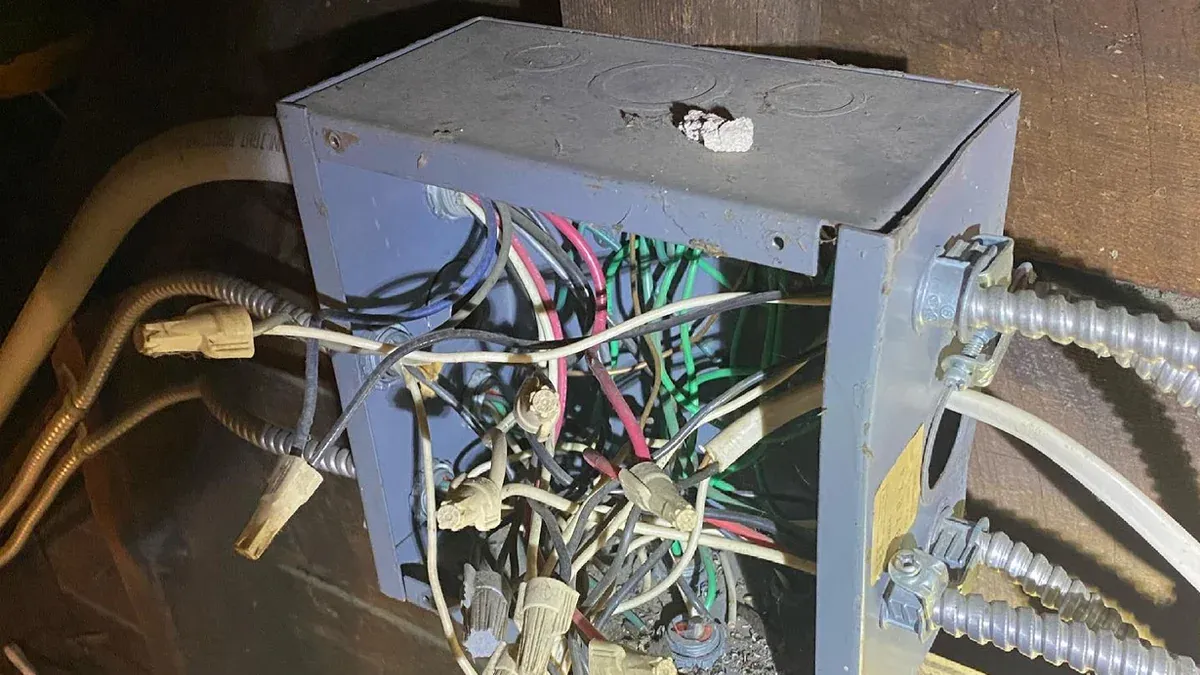
Electrical defects are among the most common - and most dangerous - findings in a home inspection.
The inspector examines the main electrical panel, noting the amperage rating, type of wiring, and any safety hazards like double-tapped breakers, improper conductor sizing, or panels from brands with known defect histories (certain Zinsco and Federal Pacific panels). Outlets are tested with a plug-in tester to verify correct wiring polarity and grounding. GFCI protection is verified in kitchens, bathrooms, garages, and outdoor areas.
Plumbing
Plumbing failures can cause significant water damage quickly, so this system is thoroughly evaluated.
Inspectors check the water supply (well or municipal), water pressure, and visible pipes for material (copper, galvanized, PEX, CPVC) and condition. Drain lines are checked for leaks, proper slope, and signs of blockage. The water heater is evaluated for age, capacity, and proper safety mechanisms. Older homes in the Hudson Valley often have galvanized steel pipes that are reaching end of life - an inspector who flags this saves you from a costly surprise.
Heating and Cooling Systems
HVAC systems are expensive to replace, so their condition weighs heavily on buyers.
The furnace or boiler is operated and examined for condition, age (most have a 15–25 year lifespan), and safety concerns. Ductwork or piping distribution is checked for integrity. Filters condition and venting are noted. If a home has central air conditioning, the condenser unit and air handler are evaluated - though air conditioning is typically only tested when outdoor temperatures allow (above 60°F).
Oil tanks (common in the Hudson Valley) are checked for age, condition, and any evidence of past leaks.
Kitchen and Bathrooms
These rooms combine plumbing, electrical, and ventilation in tight spaces.
Inspectors operate all faucets and fixtures, checking for proper water pressure and drainage. They verify exhaust fan operation in bathrooms. Under-sink areas are examined for active or past leaks. In kitchens, the range hood and dishwasher are operated and evaluated.
Living Areas and Bedrooms
In the main living spaces, inspectors assess the floors, walls, and ceilings for evidence of water damage, settlement, or structural movement. Windows are operated for proper function. Smoke and carbon monoxide detectors are noted, though testing these is typically outside the inspection scope.
Stairways and railings are checked for safe construction and proper height.
What a Home Inspector Does Not Do
Understanding the limits of a standard inspection helps set expectations.
A home inspector performs a visual, non-invasive inspection. They don’t move furniture, pull up flooring, or cut into walls. They don’t evaluate swimming pools (a separate specialty), underground oil tanks, or underground utilities. They don’t determine the cause of every defect - just document the condition.
Specialty inspections - radon testing, septic evaluation, water testing - are separate services that address risks a general inspection can’t catch. For properties in Orange County, Ulster County, or Dutchess County, bundling a home inspection with radon testing or a septic inspection is often the smart move.
What Happens After the Inspection
The inspector delivers a detailed written report - typically 40–80 pages - with photos, condition ratings, and repair recommendations. This report is your negotiating tool. You can use it to request repairs, negotiate a price reduction, or walk away if the problems are too significant.
The best outcome isn’t a perfect report (there’s no such thing as a perfect house) - it’s a clear picture of what you’re buying. That’s exactly what a Mount Joy Home Inspection delivers.